Open Water Swimming Basics
Key techniques, thermal preparation, and essential safety protocols for transitioning smoothly from the pool to lakes and open waters.
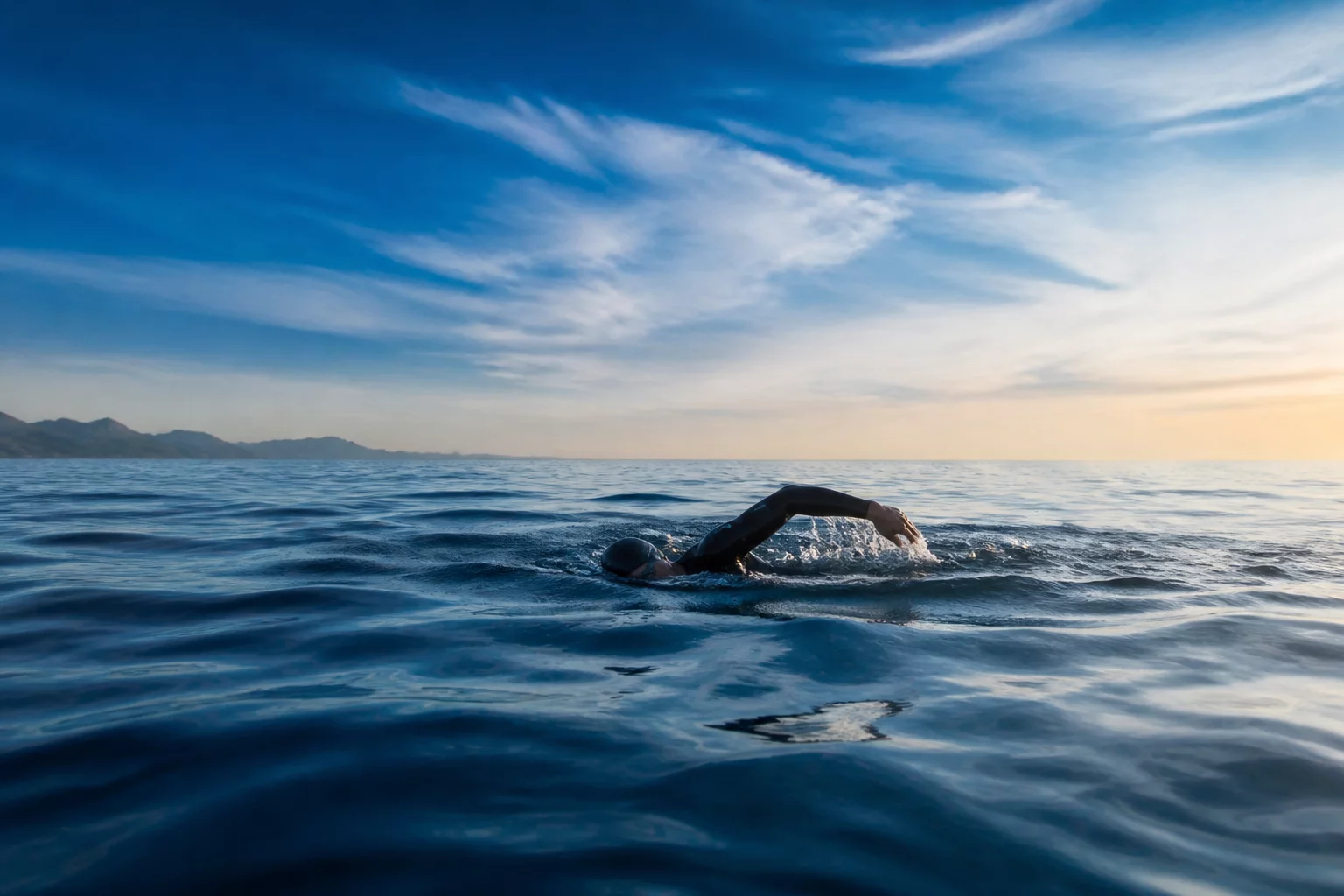
Transitioning from the controlled environment of an indoor lap pool to the unpredictable waters of Canadian lakes and coastal shores is an exhilarating step forward. Open water swimming strips away lane lines, black tile markers, and smooth push-off walls, replacing them with natural currents, chop, and varying water clarity. To enjoy this discipline safely and build stamina, every swimmer must cultivate specialized technical skills alongside strong situational awareness.
Sighting and Navigation Techniques
Without bottom markings or lane ropes, swimming in a straight line demands periodic sighting. Swimmers lift their eyes just above the water line during the catch phase, spot a prominent stationary landmark on shore or a bright turn buoy, and quickly return their head to the neutral breathing position. Practicing alligator eyes—where only goggles breach the surface—minimizes hip drop and preserves continuous forward propulsion without draining unnecessary energy.
Always pair up with a swim buddy and tow a high-visibility inflatable swim buoy. It alerts watercraft to your location and provides dependable buoyancy if you need a quick rest.
Managing Cold Water and Environmental Shifts
Water temperatures in natural Canadian bodies of water frequently fluctuate, even during peak summer months. Cold shock response can suddenly elevate heart rates and induce rapid breathing upon initial entry. Acclimating gradually, wearing a flexible neoprene wetsuit, and donning an insulated silicone cap help regulate core temperature while maintaining shoulder mobility throughout the entire session.
- Acclimate by splashing water on your face and neck before beginning continuous rhythmic strokes.
- Breathe bilaterally to stay aware of incoming waves, boat traffic, and changing crosswinds.
- Check local weather forecasts, water quality advisories, and water temperature data before setting out.
Building Endurance and Water Comfort
Developing confidence in deep, opaque water takes consistent practice. Start with short out-and-back swims along shallow shoreline perimeters before attempting longer point-to-point crossings. Integrating steady high-cadence stroke drills keeps momentum steady through moderate chop and prepares your cardiovascular system for open water competitions or long-distance exploration.