Pool Toy Safety Tips
Essential safety tips and supervision guidelines for using inflatable floats, dive rings, and water toys safely in home and community pools.
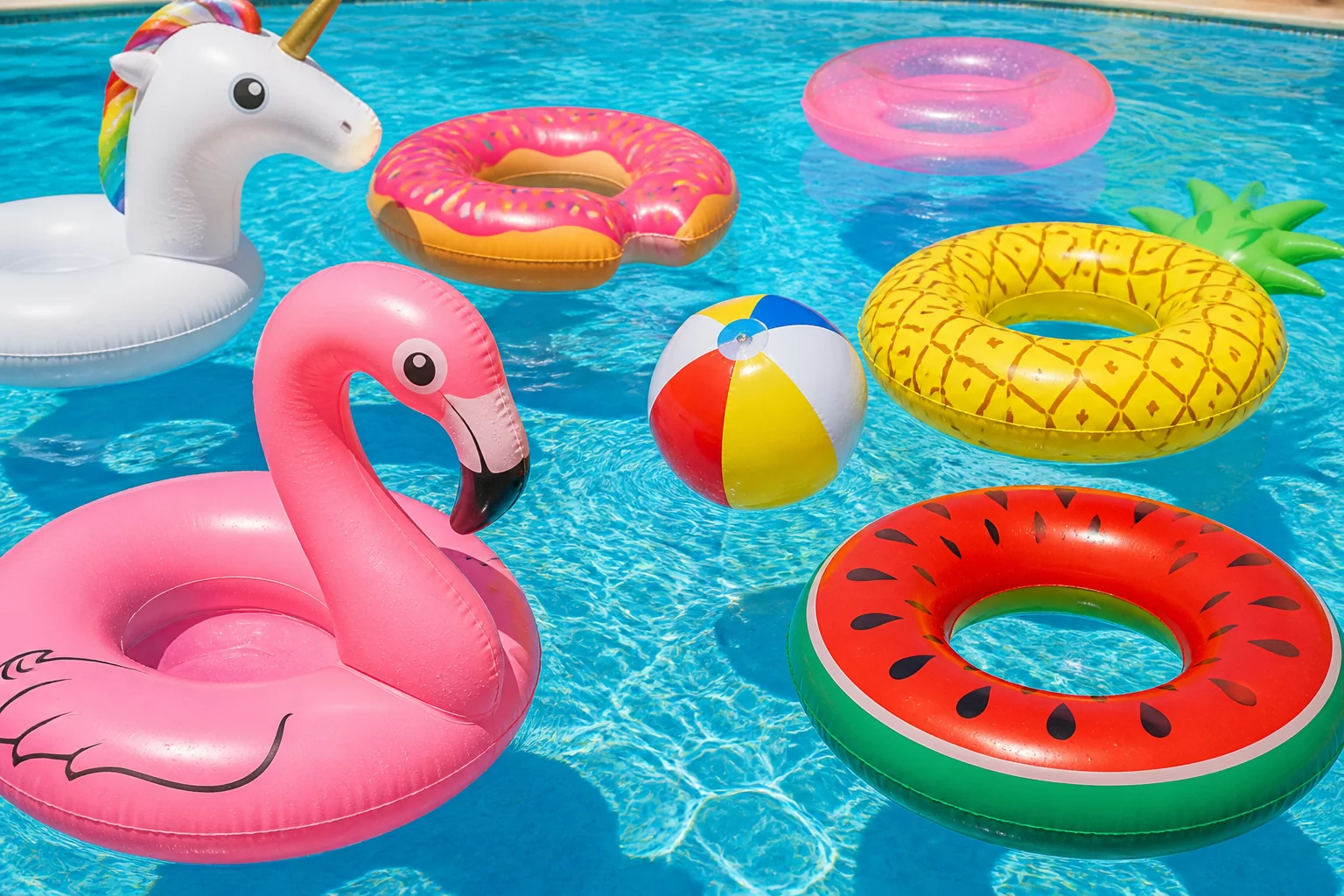
Pool toys bring enormous energy and excitement to any backyard swimming pool or lake outing across Canada during the hot summer months. Whether it is oversized inflatable loungers, colourful diving sticks, or foam noodles, toys transform a routine swim into an engaging water playground. However, without proper precautions and parental awareness, colourful floaties can quickly introduce unexpected hazards or create a false sense of buoyancy security for inexperienced swimmers.
Understanding the Difference Between Toys and Life Jackets
One of the most dangerous misconceptions around backyard pools is mistaking inflatable rings, arm floaties, or novelty ride-on floats for certified life-saving equipment. Inflatables can deflate in seconds if punctured by pool edges or small twigs. Moreover, a child can easily slip through or flip over an oversized float, becoming trapped underneath the toy. Canadian water safety authorities emphasize that certified personal flotation devices (PFDs) are the only reliable safety gear, whereas toys are purely for recreation under active supervision.
Never rely on inflatable armbands or water wings as safety devices. An adult should always stay within arm's reach (touch supervision) whenever young swimmers are playing with pool toys in deep or shallow water.
Essential Pool Toy Safety Protocols
Creating a safe swimming environment requires clear pool rules and consistent habits before, during, and after water activities. Inflatables and dive toys left unattended in or around the pool deck pose tripping hazards and tempt toddlers to lean over the edge to retrieve them. Follow these tested protocols to minimize risks during pool time:
- Inspect all inflatables for slow air leaks, damaged seams, and faulty valves before letting swimmers enter the pool.
- Clear all toys and floats completely out of the pool and deck area immediately after swimming sessions conclude.
- Store foam noodles and diving sticks in designated deck bins to prevent accidental tripping around the water's edge.
Proper Storage and Maintenance for Longevity
Prolonged exposure to intense sunlight and residual pool chemicals breaks down PVC materials, making pool toys brittle and prone to sudden tears. Rinse pool noodles, dive sticks, and inflatables with fresh tap water after use, let them air dry in the shade, and store them in a well-ventilated mesh gear bag or covered deck container. Proper maintenance keeps pool gear clean, mold-free, and safe for multiple swimming seasons.